
Scalable
Add modules to extend coverage or increase sampling density.
Purpose-built habitat for New Zealand's endemic skinks and geckos.
Populations depending on cryptic rocky refugia for shelter, thermoregulation, and predator protection come under pressure wherever this natural habitat is degraded, fragmented, or absent. The MLR addresses this directly. Precision-sized internal spaces that confound mice but allow the passage of herpetofauna, thermal mass that buffers temperature extremes, and a repeatable structure that makes standardised monitoring accessible across sites and seasons. Designed for translocation sites, in-situ population reinforcement, predator mitigation, and species discovery.
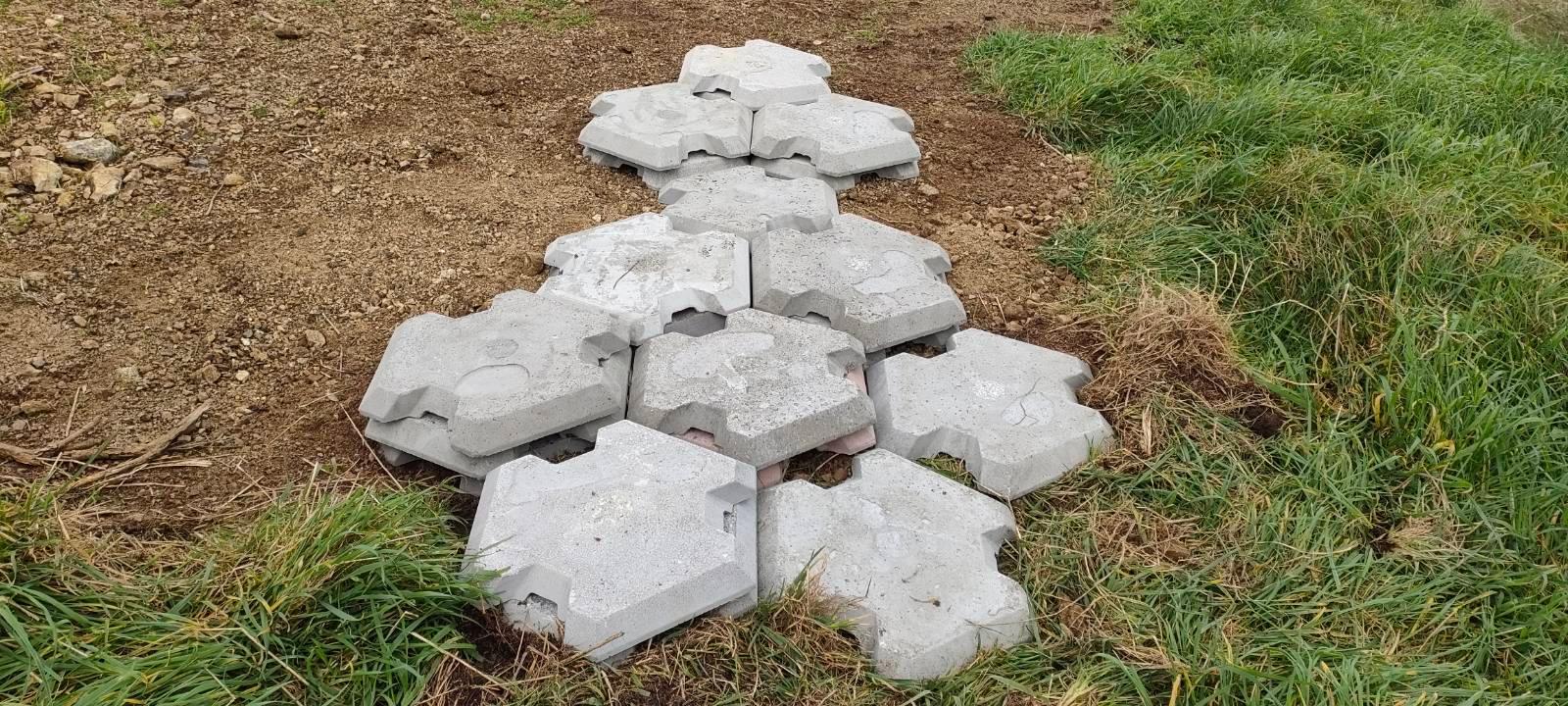
Modular refugia are self-contained, interconnectable habitat units. Internal spaces are precision-sized: accessible to target species, but not navigable by mice. Consistent geometry across every unit means thermal performance and predator resistance are repeatable.
Engineered for semi-permanent field deployment and long-term use.
New Zealand's lizards face converging pressures including loss of habitat, shifting thermal regimes, and predators - where mouse populations can spike in response to control of larger species, further exacerbating the problem.
MLR systems address habitat deficit and predator geometry simultaneously. Pre-configured units deliver consistent thermal and shelter conditions whether installed in alpine tussock, coastal scrub, or a managed sanctuary.
Add modules to extend coverage or increase sampling density.
Easily relocate entire systems.
Configure layout and stack height for target species.
Arrives ready to deploy. Less site time, less disturbance.
No re-stacking your rock pile!
Repeatable methods that don't require specialist herpetofauna training to operate.
Units are in the field. Whether you are preparing a translocation site, reinforcing habitat, or establishing a new monitoring baseline, contact us to discuss your programme requirements or an R&D collaboration.
Get in Touch